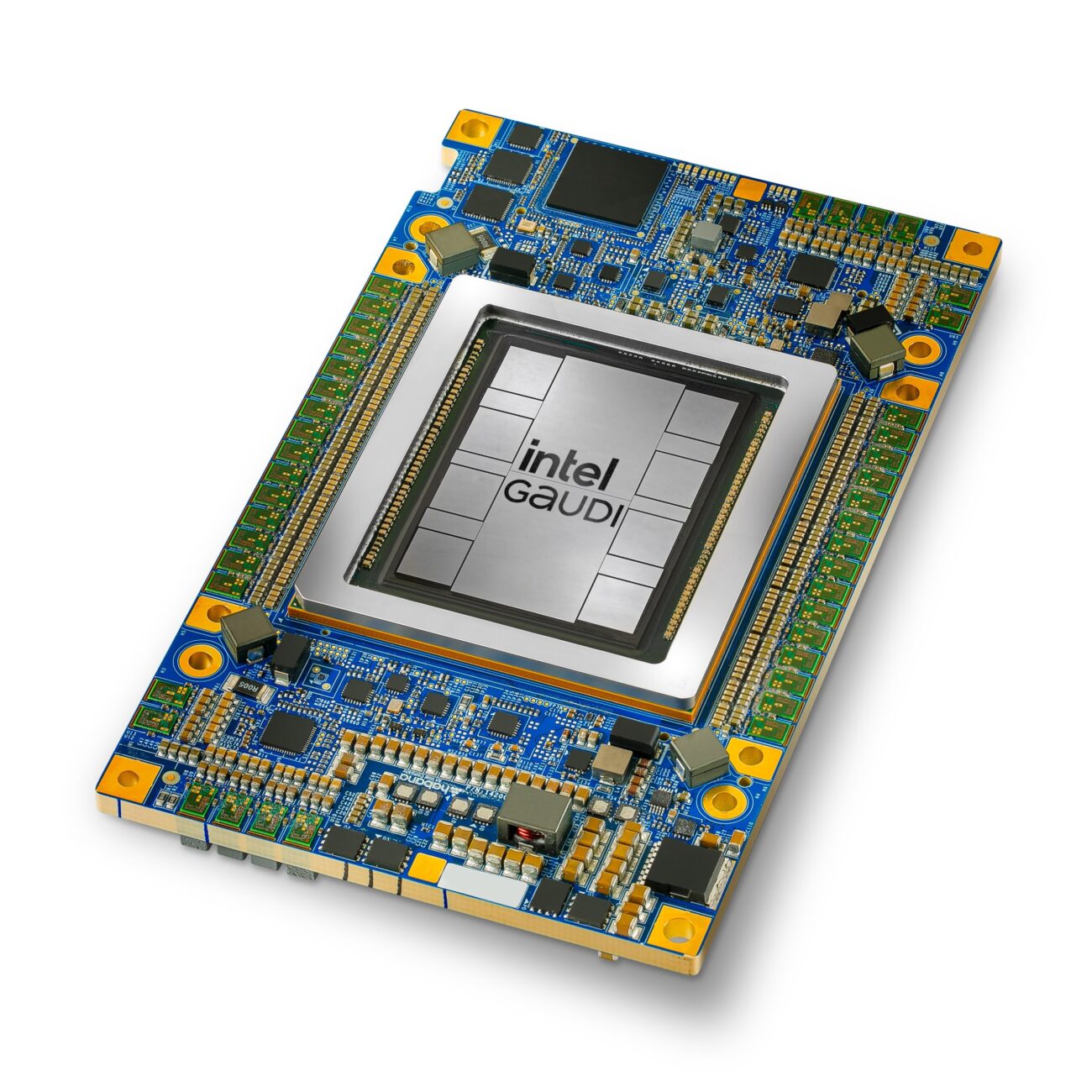
In the first quarter, demand for Intel’s central processors from companies providing AI services was so great that the company sold even chips it had previously written off. This incredible turnaround caused the company’s shares to surge on Friday.
Early trading saw the stock jump more than 24% to $83, exceeding its peak during the dot-com era in 2000 and raising the company’s market value to $416 billion.
After years of being overshadowed by graphics processors used in AI training, rival AMD and Arm both saw increases of more than 11% apiece due to rising belief that inference, the process by which AI responds to user questions, might bring central processing units back to the center of the industry.
The massive graphics chip company Nvidia, which has dominated the AI boom, has also seen the change and prepared for more competition. In a rare step into terrain it had long given up to competitors, it debuted a new central processor last month.
On Friday, its stock increased by more than 1%.
Following the better-than-expected first-quarter results and a sales forecast beyond expectations, at least 23 brokerages increased their price targets for Intel’s shares. HSBC cited rising demand for Intel’s Xeon server CPUs, which are used in AI data centers.
The median price objective for the stock is now $75, up from $46.50 a month ago.
Intel CFO David Zinsner said the forecast was partly driven by higher prices and supply was tight in the first quarter, which forced Intel to dig into finished goods inventory and sell chips it had not expected to move.
“It was either de-spec product or legacy product we had shelved and then we worked with customers. That helped a lot. I am not sure we have that benefit in the second quarter,” he said.

As its revival gathers momentum under CEO Lip-Bu Tan after years of mistakes, Intel shares have surged more than 120% this year, including Friday’s gains, following a spike of roughly 84% last year.
It is currently trading at almost 90 times its 12-month forward earnings expectations, which is its highest level ever. This is significantly higher than AMD’s 37 times and Nvidia’s 22 times.
By acquiring Tesla as a client for its next-generation 14A chipmaking process connected to Elon Musk’s proposed Terafab AI chip complex earlier this week, Intel achieved a symbolic boost to its contract manufacturing aspirations.
“If the foundry business can start contributing in a meaningful way in 2027 – as expected – that should really show that the company’s turnaround is complete,” said Bob O’Donnell, president and chief analyst at TECHnalysis Research.
